
Akebiae Fructus (Aliases: August Fruit, August Burst, Anxiety-Calming Seed)
Latin Name: Akebiae Fructus (near-ripe fruit of Akebia trifoliata, Lardizabalaceae family)
Nature & Flavor: Bitter, Cold; enters the Liver, Gallbladder, Stomach, and Bladder meridians.
Pharmacopeial Actions: Soothing the liver and regulating qi; promoting blood circulation to relieve pain; softening hardness and dissipating masses; promoting diuresis and clearing lin syndrome.
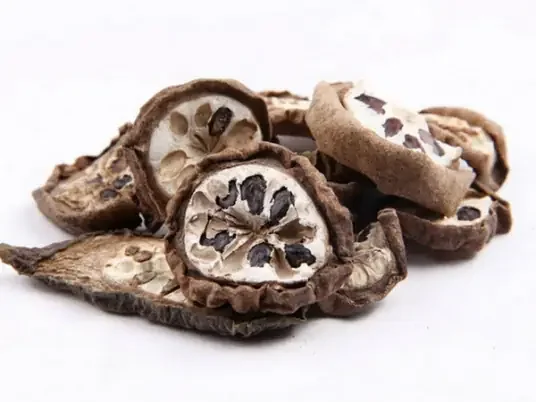
Akebiae Fructus
I. Historical Records from Classical TCM Texts (by Dynasty)
1. Tang Dynasty — Shiliao Bencao (Dietary Materia Medica), the earliest recorded medicinal use (originally named Yanfuzi)
"Neutral in nature; strengthens the stomach and intestines, stimulates appetite, purges the Triple Burner, eliminates pathogenic qi, and restores the vital energy of the Five Zang organs. Consumed as a wild fruit by folk communities south of the Yangtze."
In the Tang era, it was used primarily as a dietary tonic to clear turbid qi from the Triple Burner and replenish vitality—a common health fruit among the people of Jiangnan.
2. Northern Song Dynasty — Kaibao Bencao (official imperial pharmacopeia, first formal naming as "Yuzhizi")
"Kills parasites and treats gu poisoning; specifically neutralizes all toxins. Peel, grind into powder, and take internally to detoxify gu poison and snake/insect venom."
The Song court officially listed it as a key antidotal herb. The name "Yuzhizi" (Foreknowledge Seed) derives from an ancient practice: two seeds were hung on the collar, and if gu poison or evil qi approached, the seeds would rattle to give forewarning—hence "foreknowledge." Also known as Shengzhizi (Sage's Seed) or Hehezi.
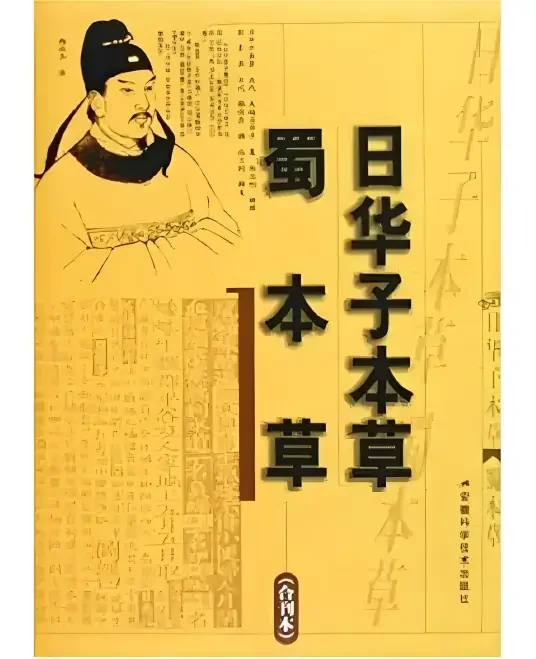
3. Rihua Zi Bencao (most widely circulated Song-era text)
"Treats all wind patterns, tonifies the Five Strains and Seven Injuries; dissolves abdominal masses and qi lumps, eliminates food accumulation, clears restlessness, promotes urination; induces labor, neutralizes drug toxicity; treats hoarseness and hair loss; applied topically for venomous insect bites."
In classical practice, Akebiae Fructus served a dual role—both tonifying deficiency and dissipating masses. Folk practitioners called it "Shengwuyou" (Free from All Worries).
4. Compendium of Materia Medica (Bencao Gangmu) by Li Shizhen
Bitter, cold, non-toxic. Indications: Deficient heart qi, absent-mindedness, forgetfulness, dream-disturbed sleep, mood swings; also leprosy, hypochondriac distension and pain, and abdominal masses (zheng jia).
A classic formula, Yuzhizi Pill, combines Akebiae Fructus with Poria, Acorus, Polygala, and Biota Seed—specifically indicated for emotional disharmony, anxiety-induced insomnia, and spiritual agitation. It was a heart-calming prescription favored by Taoist physicians. Li Shizhen noted: "This herb is highly prized in Shu (Sichuan). Its vine climbs great trees; the fruit ripens red in the seventh and eighth lunar months, and mountain dwellers use it extensively to treat stagnation-related disorders."
5. Qing Dynasty — Yilin Zuanyao (Compiled Essentials of the Medical Forest)
"Tonifies kidney water, clears heat from deficient strain, wards off evil and prevents toxicity; pacifies the liver and relieves depression, calms the spirit and tranquilizes the mind. Hence also called 'Yajingzi' (Fright-Subduing Seed); may be used in small amounts for children suffering from fright-induced crying."
II. Four Core Clinical Applications in Modern TCM
1. Soothing the Liver & Relieving Depression (most common clinical use)
Alleviates liver-qi stagnation presenting as bilateral rib distension, belching with gastric bloating, suppressed emotions, and globus hystericus (plum-pit qi). Widely used in modern practice for breast nodules, thyroid nodules, and hepatobiliary qi stagnation; a staple herb for emotional disorders in Lingnan Taoist medicine.
2. Activating Blood & Dissipating Masses
Resolves phlegm-blood conglomeration manifesting as scrofula, cysts, uterine fibroids, and abdominal masses. Modern pharmacology confirms that triterpenoid saponins inhibit hyperplasia and tumor cell proliferation, making it a frequent component in oncology prescriptions.
3. Promoting Blood Circulation & Regulating Menstruation
Used for blood-stasis dysmenorrhea, amenorrhea, and lower abdominal bearing-down pain. In gynecology, it is often paired with Danggui Shaoyao San (Angelica-Peony Powder).
4. Clearing Heat & Promoting Diuresis
Treats lower burner damp-heat, difficult urination, and urinary tract infections by clearing bladder damp-heat.
III. Modern Pharmacological Research
Contains akebia saponins and hederagenin saponins, exhibiting anti-inflammatory, anti-anxiety/anti-depressive, anti-tumor, and antibacterial activities. Contemporary TCM practitioners incorporate Akebiae Fructus in protocols for thyroid nodules, mammary gland hyperplasia, hepatic cysts, and blood disorders (blood-stasis constitution).
IV. Dosage & Contraindications
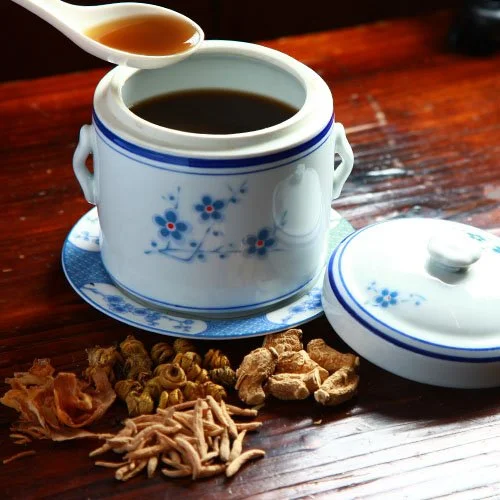
Dosage: 9–15g decocted in water; higher doses up to 20–30g may be used for mass dissolution.
Contraindications: Use with caution in pregnancy. Those with spleen-stomach cold deficiency and tendency to diarrhea should not use it alone.
V. Key Differentiation
Per the Chinese Pharmacopeia: the near-ripe fruit is called "Yuzhizi" (Akebiae Fructus) and is used medicinally; the fully ripened, split-open fruit is called "August Fruit" (Bayuezha). Both share the same botanical origin—Yuzhizi possesses stronger mass-dissolving power, while Bayuezha excels at regulating qi and harmonizing the stomach.
