Heart Qi Deficiency: TCM Case Study
Basic Case Information
Name: Ms. Lin|Gender: Female|Age: 49
Initial Consultation Date: April 4, 2026
Clinic Location: Tongren Pharmacy, Puning
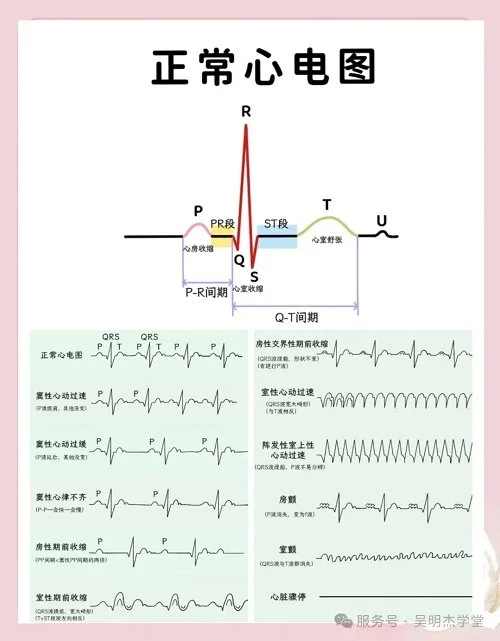
Western Medicine Reference: ST-segment depression on electrocardiogram (ECG), insufficient myocardial blood perfusion
I. Initial Clinical Manifestations
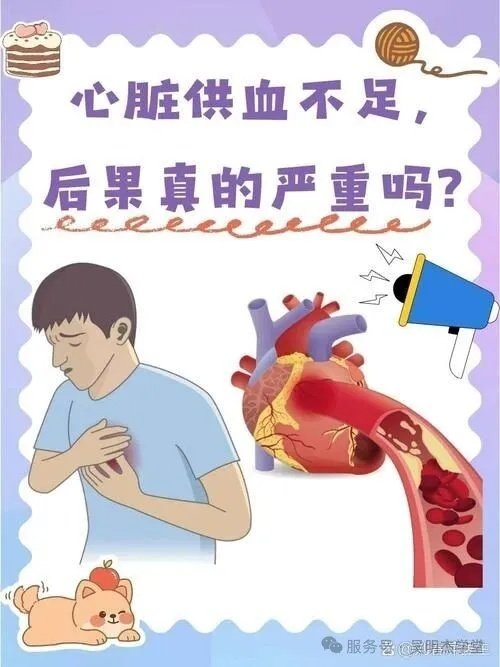
Chief Complaint: Palpitations and shortness of breath induced by fatigue, accompanied by exertional chest tightness. Western diagnostic examination shows ST-segment depression on ECG, indicating myocardial ischemia.
TCM Syndrome Differentiation: Deficiency of heart qi and heart yin complicated with blood stasis in heart vessels.
Pathogenesis: Insufficient heart qi fails to propel blood circulation in cardiac vessels, leading to malnourishment of cardiac muscle, which manifests as abnormal ECG readings and constitutional chest distress.
II. Initial Prescribed Herbal Formula
Dosage: 10 doses, decocted with water for oral administration; steamed polygonatum rhizome is specified for use
Raw Medicinal Herb Dosage
Radix Pseudostellariae (Prince Ginseng) 15g
Radix Ophiopogonis (Dwarf Lilyturf Root) 10g
Fructus Schisandrae (Schisandra Fruit) 6g
Radix Salviae Miltiorrhizae (Red Sage Root) 10g
Fructus Jujubae (Jujube Fruit) 3 pieces
Radix Astragali (Milkvetch Root) 15g
Poria Cocos (Poria Mushroom) 10g
Poria cum Radix Pini (Pine-noded Poria) 6g
Rhizoma Polygonati Preparata (Steamed Solomon’s Seal Rhizome) 6g
Ramulus Taxilli (Chinese Taxillus Herb) 6g
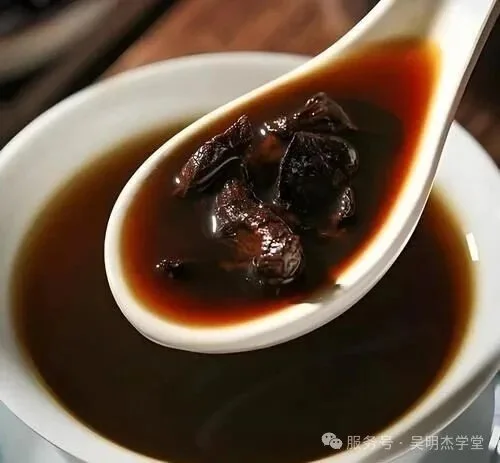
Therapeutic Principle: Replenish qi and nourish yin, activate blood to unblock stagnant vessels, calm the heart and consolidate primordial constitution.
III. Clinical Outcome
After regular oral intake of the 10-dose herbal prescription, all primary symptoms including chest tightness, palpitations and lassitude completely resolved. Follow-up ECG examination reveals normalized ST-segment with full resolution of ischemic changes. The formula matches the syndrome precisely and achieves remarkable curative efficacy.
IV. Follow-up Therapeutic Plan
Following the TCM principle of consolidating healthy qi after major symptom relief, the identical formula with unchanged dosage and processing requirements is prescribed for another 10 doses for consolidation. Continued supplementation of heart qi reinforces visceral foundation; patients are advised to avoid overstrain, cold exposure and irregular diet to prevent recurrent ST-segment abnormality.
Upon completion of consolidative treatment, simplified herbal tea is recommended for long-term conditioning.
V. Case Summary
Based on Sheng Mai San (Pulse-Generating Powder) for replenishing qi and nourishing yin, this formula is supplemented with Astragalus root to invigorate spleen and strengthen cardiac function, Salvia root to promote blood circulation and dredge obstructed coronary vessels, together with prepared Polygonatum and Taxillus to tonify liver and kidney, harmonizing congenital and acquired essence. The formula treats both root cause and superficial symptoms, yielding complete remission of clinical symptoms and abnormal ECG indicators within a short course, verifying the clinical efficacy of syndrome differentiation-based TCM therapy in the management of myocardial ischemia.