
Dr. Wu Mingjie: Renowned International Antitumor Specialist & Distinguished Master of Traditional Chinese Medicine, Carrying Forward Huineng’s Mind Essence in Contemporary Practice
Zen Lineage Perpetuated, Enlightening the Mind and Revealing One’s True Nature
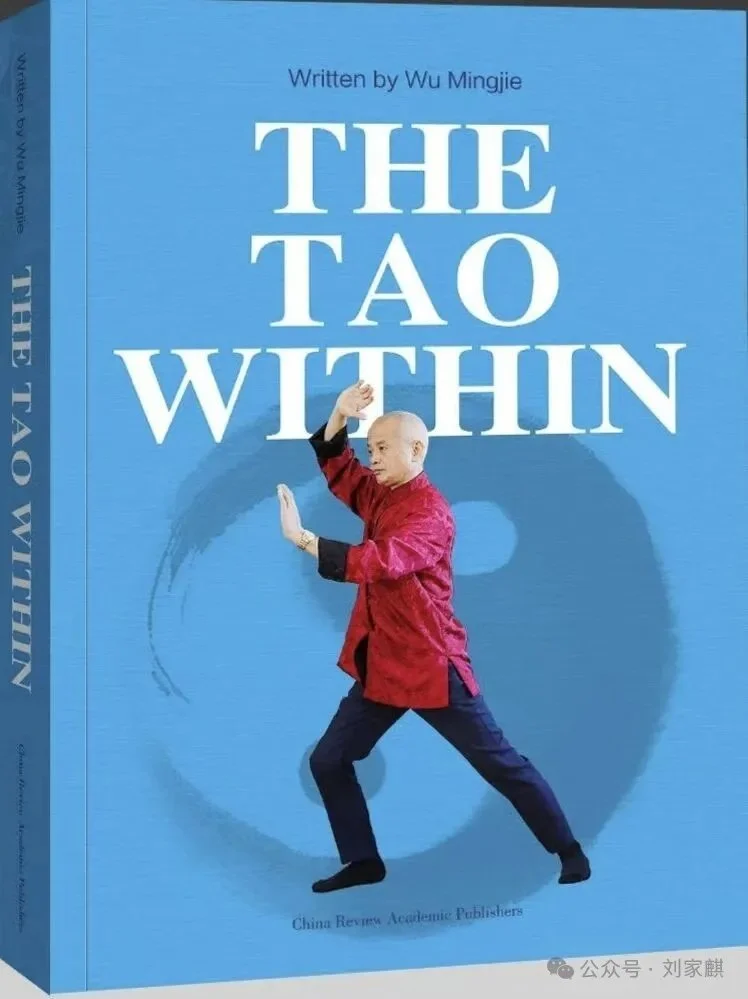
Dr. Wu Mingjie: Renowned International Antitumor Specialist & Distinguished Master of Traditional Chinese Medicine, Carrying Forward Huineng’s Mind Essence in Contemporary Practice
On the eighth day of the second lunar month, as spring breeze brings warmth and all things stir to life, we mark the sacred birth anniversary of the Sixth Patriarch Huineng, one of the greatest Zen masters in history. A humble woodcutter who attained supreme enlightenment, he lit an eternal lamp of wisdom for all sentient beings, and stands alongside Confucius and Laozi as one of the "Three Sages of the East," leaving an indelible mark on Chinese civilization. On this auspicious day, we reflect on his legendary life, delve into the profound wisdom of Zen, and witness how Dr. Wu Mingjie—a modern successor of Huineng’s teachings—carries forward this ancient Zen legacy, integrating it into traditional Chinese medicine and Tai Chi practice for a new era.
I. A Legendary Sage: The Life and Legacy of the Sixth Patriarch Huineng
The Sixth Patriarch Huineng, surnamed Lu at birth, was born in 638 AD in Xinzhou, modern-day Guangdong Province, and passed away in 713 AD at the age of 76. His life defied all worldly expectations: orphaned at a young age and raised in extreme poverty, he earned a living cutting firewood, never learning to read or study a single Buddhist scripture. Yet he possessed innate wisdom and boundless compassion. Without formal religious training, he grasped the true nature of Buddhism amid the hardships of ordinary life, embodying the timeless truth that "all sentient beings have Buddha nature."
At 24, Huineng’s life changed forever when he overheard a stranger reciting a verse from the Diamond Sutra: "Live without abiding, and let the mind arise." In an instant, he attained sudden enlightenment. Filled with spiritual awakening, he left his mother to travel north to Huangmei, where he became a disciple of the Fifth Patriarch Hongren, the leader of the Zen school. When Master Hongren first met the ragged, ordinary young man, he asked, "Who are you, and what do you seek?" Huineng replied, "I am a common man from southern Lingnan, come to learn from you. I seek only to become a Buddha, nothing more." These sincere words revealed his extraordinary spiritual roots.
Seeking to name his successor, Master Hongren asked his disciples to compose verses to show their spiritual attainment. His top disciple Shenxiu, learned and devoted, wrote: "The body is the Bodhi tree, the mind a bright mirror stand. Polish it diligently at all times, and let no dust alight." This verse emphasized gradual cultivation, winning praise from most followers. Illiterate, Huineng asked someone to write his verse on his behalf: "Originally there is no Bodhi tree, nor any stand for a bright mirror. Since all is fundamentally void, where can dust gather?" In just four lines, he cut through all form and attachment, revealing the core of Zen: "Enlighten the mind, see one’s true nature, and attain Buddhahood in an instant." Recognizing his perfect enlightenment, Master Hongren passed down the Zen lineage to Huineng that very night, naming him the Sixth Patriarch.
To avoid conflict within the order, Huineng followed his master’s wish and returned south, living in seclusion among hunters for 15 years. Throughout those years, he lived a worldly, ordinary life, eating and dwelling with hunters, yet he never strayed from his true nature or his Zen practice—truly living up to the saying "the greatest hermit hides in the world." When the time was right, he emerged to teach, ordaining at the Faxing Temple in Guangzhou before founding his teaching hall at Baolin Temple in Caoxi. There he spread the doctrine of sudden enlightenment, liberating countless beings and founding the influential Southern School of Zen.
In the history of Chinese Buddhism, Huineng stands unparalleled. He is the only Chinese Buddhist teacher whose spoken teachings have been honored as a "sutra." Compiled by his disciples, the Platform Sutra of the Sixth Patriarch is a landmark work of localized Chinese Buddhism, breaking rigid formalities and bringing Buddhist wisdom to ordinary people. Rejecting complicated rituals and endless scripture recitation, his Southern School taught "point directly to the mind; see one’s true nature and become enlightened," making spiritual practice accessible to everyone, not just monks. For over a thousand years, Huineng’s Zen philosophy has shaped not only Chinese Buddhism but also traditional Chinese culture, blending with Confucian benevolence and Taoist naturalism to form a spirit of clarity, openness, and calmness in the Chinese people.
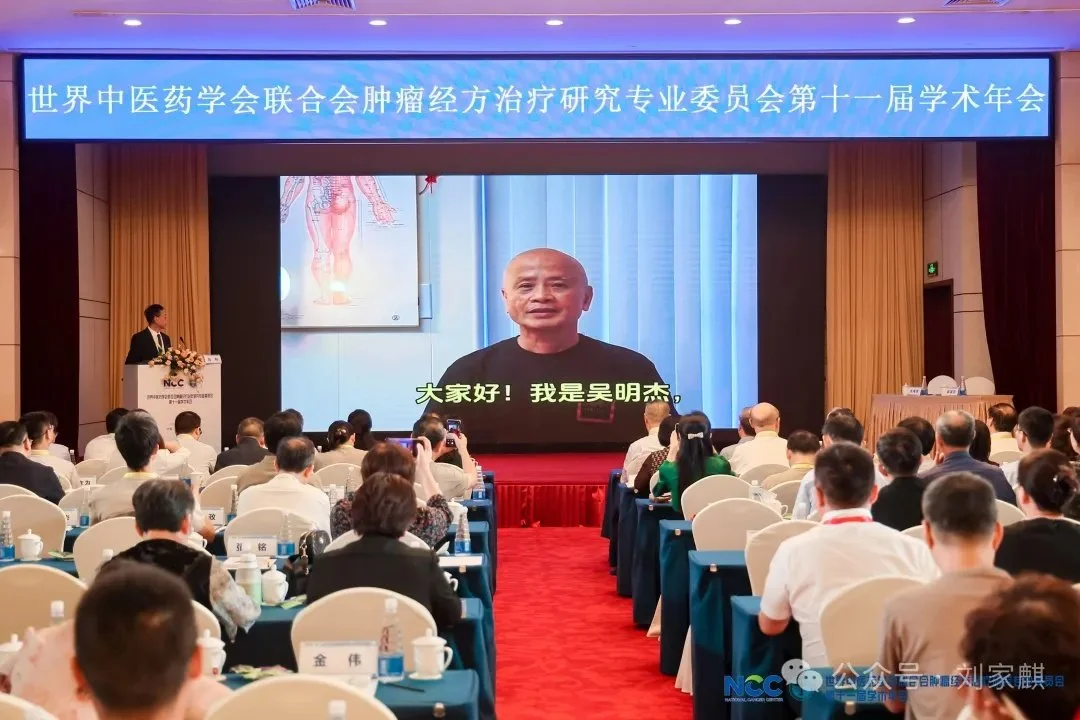
II. Carrying Forward the Zen Lineage: Dr. Wu Mingjie’s Modern Mission
Though centuries have passed, the Zen wisdom of the Sixth Patriarch Huineng has never faded. Dr. Wu Mingjie—a doctor of traditional Chinese medicine, executive president of the Sino-American Zen Culture Exchange Association, and founder of Fengyang Tai Chi—is a devoted successor and innovative practitioner of Huineng’s teachings. Born into a renowned family of traditional Chinese medicine in Chaoshan, he began learning Fengyang Taoist medicine under his father at an early age. He later pursued advanced studies at Guangzhou University of Chinese Medicine, becoming a disciple of Professor Xiao Xinhe and a third-generation successor of the great Chinese medicine master Deng Tietao. He also studied under Master Zhu Zhenshun, a fifth-generation inheritor of Yang-style Tai Chi. Drawing from diverse traditions, he founded Fengyang Tai Chi, perfectly integrating Zen wisdom, Taoist philosophy, and traditional Chinese medicine.
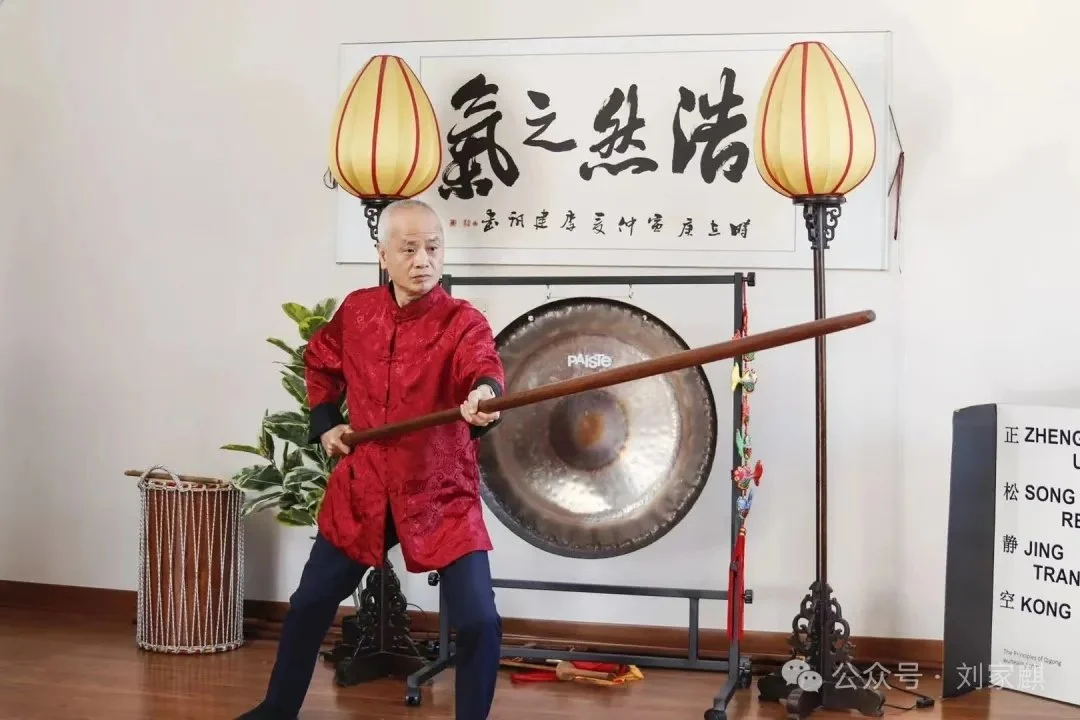
Dr. Wu’s inheritance of Huineng’s Zen is not limited to formal lineage rituals. Instead, he holds fast to the core principle of "enlighten the mind, see one’s true nature," weaving Zen philosophy into his life, medical practice, and teaching. He often says: "Master Huineng could not read, yet he attained perfect enlightenment—all because he pointed directly to the mind. This is the same essence as the ‘four diagnostic methods’ of Chinese medicine and ‘mind guiding energy’ in Tai Chi." In his view, sudden enlightenment in Zen, syndrome differentiation in Chinese medicine, and unity of inner and outer self in Tai Chi are all paths to seeing truth and staying true to one’s original nature.
As executive president of the Sino-American Zen Culture Exchange Association, Dr. Wu is committed to spreading Zen culture worldwide. He founded the Taoist Chinese Medicine Research Institute in the United States, integrating Huineng’s philosophy of "life is Zen" into clinical practice. He promotes the healthcare principle of "seven parts nurturing, three parts treatment" and the "Centenarian Health Program," allowing Western audiences to experience the profound charm of Zen and Chinese medicine. He often teaches his disciples Huineng’s timeless lesson: "Cutting firewood and carrying water are all Zen." Spiritual practice does not require remote mountains or temples—it lies in ordinary daily life: treating patients, practicing Tai Chi movements, and living each moment mindfully.
III. Life Itself is Zen: The Ordinary Heart is the Path
"Cutting firewood and carrying water are all Zen"—this simple saying is Huineng’s greatest gift to the world, and the very essence of Dr. Wu’s 40 years of medical practice and spiritual cultivation. Many people mistake spiritual practice for a life of seclusion, austerity, and separation from the world. But both Huineng and Dr. Wu prove that true practice has nothing to do with distance or form. It lies in the present moment, in every ordinary day.
(1) Zen and Chinese Medicine: A Calm Mind is the Root of Health
Dr. Wu integrates Huineng’s principle of "enlighten the mind, see one’s true nature" into traditional Chinese medicine, advocating that "the heart is the ruler of the body; a calm mind brings physical wellness." He believes that most modern illnesses—such as high blood pressure, diabetes, and tumors—stem from a "polluted mind": excessive attachment to fame, gain, love, and hate breeds anxiety and depression, leading to stagnant Qi, impaired digestion, and blocked blood flow, ultimately causing physical disease. This aligns perfectly with Huineng’s teaching: "All suffering in the world comes from attachment."
In his clinical practice, Dr. Wu treats both the body and the mind. Along with prescribing herbal medicine and personalized treatments, he guides patients to practice "a mind free of dust." He helps them let go of fear of illness and anxiety about life, encouraging a peaceful, positive mindset. This holistic approach of healing the mind and body together yields remarkable results. As Huineng wrote: "Since all is fundamentally void, where can dust gather?" When the mind returns to its pure, original state, the body’s natural healing power awakens, and illness fades away.
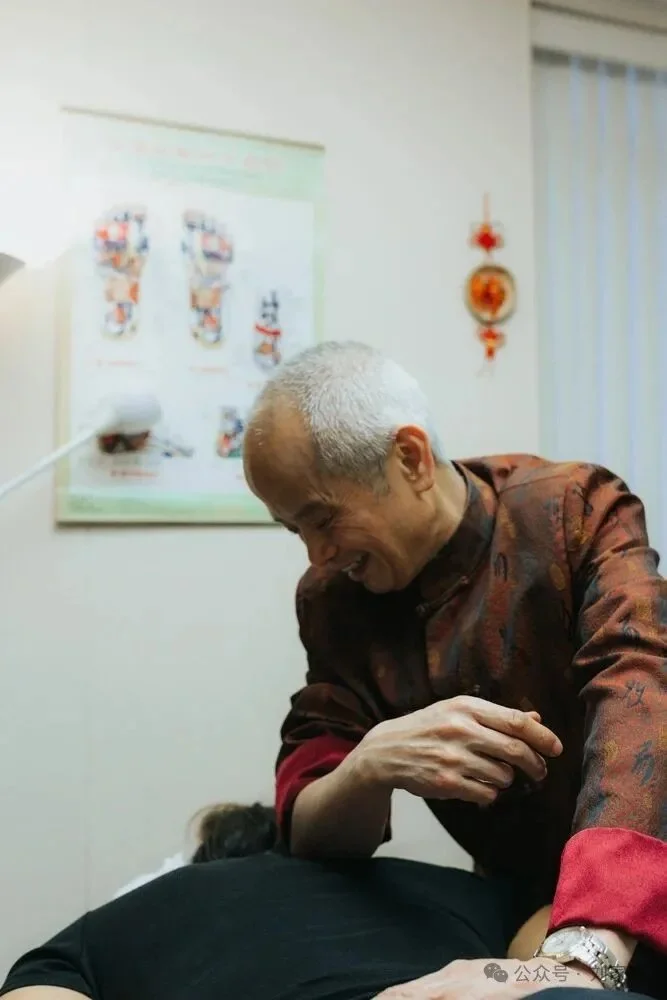
(2) Zen and Tai Chi: Mind Guides Energy, Finding Zen in Every Movement
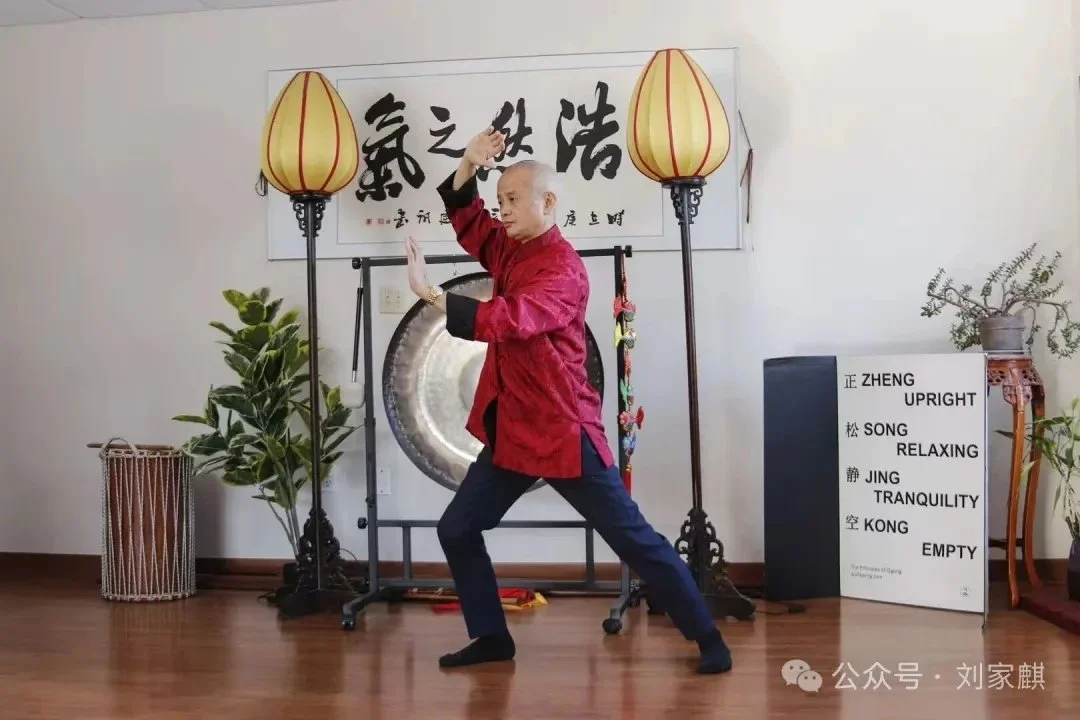
Fengyang Tai Chi, founded by Dr. Wu, is a vivid expression of Huineng’s "life is Zen" philosophy. Based on Yang-style Tai Chi, it combines Fengyang Taoist internal arts and Zen wisdom, creating a practice that unites meditation, cancer support, and health cultivation. Fengyang Tai Chi emphasizes "mind guides energy; energy guides form." Every movement requires full presence and focus—exactly the practice Huineng taught: "When cutting firewood, cut firewood; when carrying water, carry water."
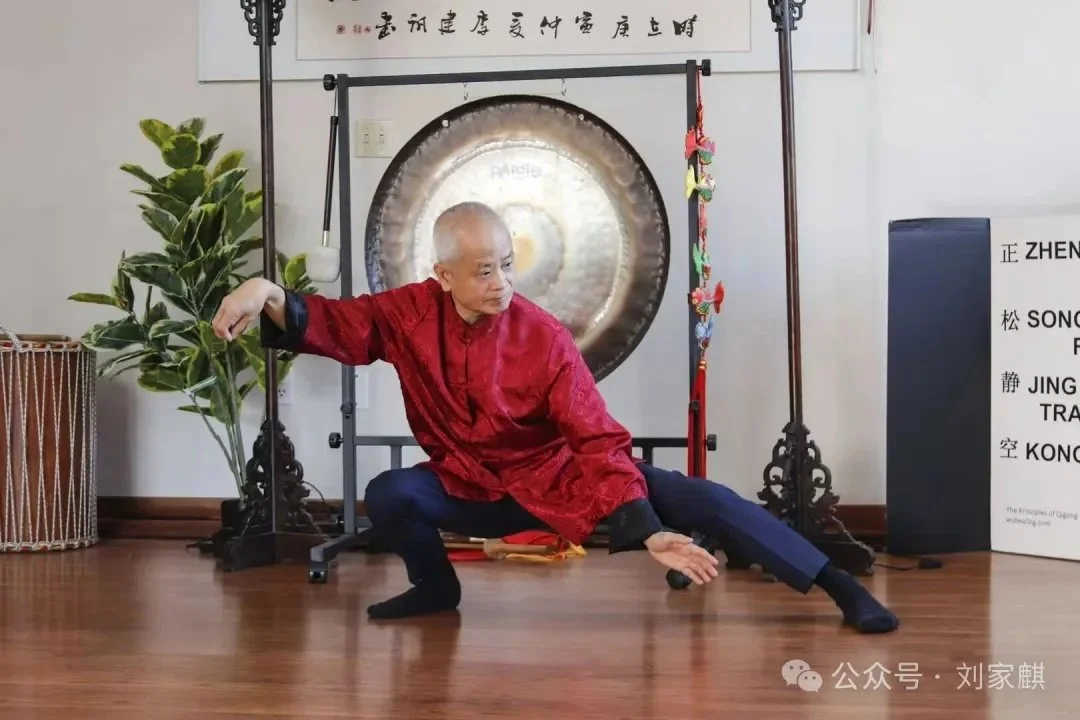
When teaching Tai Chi, Dr. Wu often uses Huineng’s verses to guide his students: "Practicing Tai Chi is like practicing Zen. It is not about fancy movements, but finding inner peace in motion." He asks students to let go of distractions and worries, merging body and mind with the universe. This practice strengthens the body, balances Qi and blood, calms the mind, and helps practitioners attain a pure state of "a mind free of dust."
(3) Zen and Daily Life: The Ordinary Heart is the Path
Dr. Wu lives Huineng’s Zen in every detail of life. "Master Huineng’s Zen is not an escape from the world," he often says. "It is the wisdom to live well." As a doctor, he treats patients with kindness, patience, and compassion. As a teacher, he guides students to work hard and act with integrity. As a practitioner, he remains calm and unhurried amid a busy life, unshackled by fame or trivial troubles.
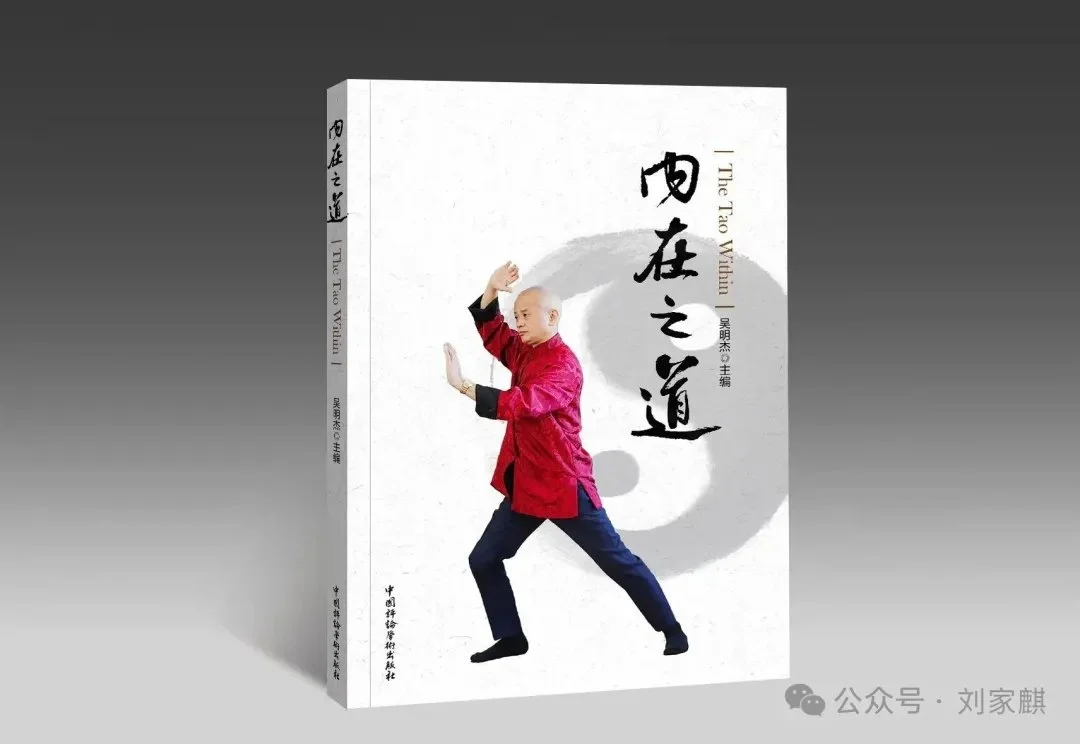
His daily life is pure Zen: practicing Tai Chi at dawn, treating patients, teaching disciples, cooking a meal, or watering plants—all are acts of mindfulness. As Huineng taught: "Buddha Dharma exists in the world; enlightenment is not found apart from it." Dr. Wu shows through every action that Zen is not abstract theory. It is a practical philosophy for daily life, a way to find peace and purpose in the ordinary.
IV. Auspicious Birthday: Prayers for a Pure Mind and Smooth Fortune
The birth anniversary of the Sixth Patriarch Huineng is a sacred day in Zen tradition, and a blessed time for prayers and good wishes. On this auspicious occasion, we honor his compassionate teachings, appreciate Dr. Wu’s dedication to carrying them forward, and send sincere prayers for ourselves, our families, and all sentient beings—may we be blessed with peace, freed from suffering, and surrounded by good fortune.
May we all embrace Zen wisdom and let go of suffering. Life is full of hardships, but all pain arises from the mind—and can be dissolved by the mind. Let us release attachment to gains and losses, let go of regrets about the past, and stop worrying about the future. Following Huineng’s teachings, may we keep a pure heart, free from dust and distraction. When the mind is unburdened by worries, suffering fades, and inner joy prevails.
May we stay true to our nature and attract blessings and prosperity. Zen does not reject worldly abundance; it teaches us to pursue wealth and fortune with integrity. Kindness, sincerity, diligence, and righteousness are the true ways to accumulate blessings. Good thoughts and good deeds bring fortune naturally; focus and dedication open the door to prosperity. May we live with Zen in our hearts, do good deeds, and work hard—gaining both spiritual fulfillment and material comfort, with good fortune and abundance always by our side.
On this sacred day, golden koi swim in seas of blessing, symbolizing surplus and peace year after year; treasure bowls overflow with good omens, representing wealth and good fortune; benevolent deities guard homes and support success. These auspicious signs carry our warmest wishes: may every prayer come true, and everyone who lives earnestly be treated gently by life.
V. An Eternal Zen Heart: A Life of Freedom and Peace
The Sixth Patriarch Huineng proved with his life: the highest practice is cultivating the mind; the most fulfilling life is a pure heart. Dr. Wu Mingjie shows us today that Zen wisdom stands the test of time, soothing the restlessness and anxiety of modern life. A pure heart does not mean no emotions or detachment from the world. It means keeping one’s soul pure despite life’s hardships, and staying calm amid life’s storms.
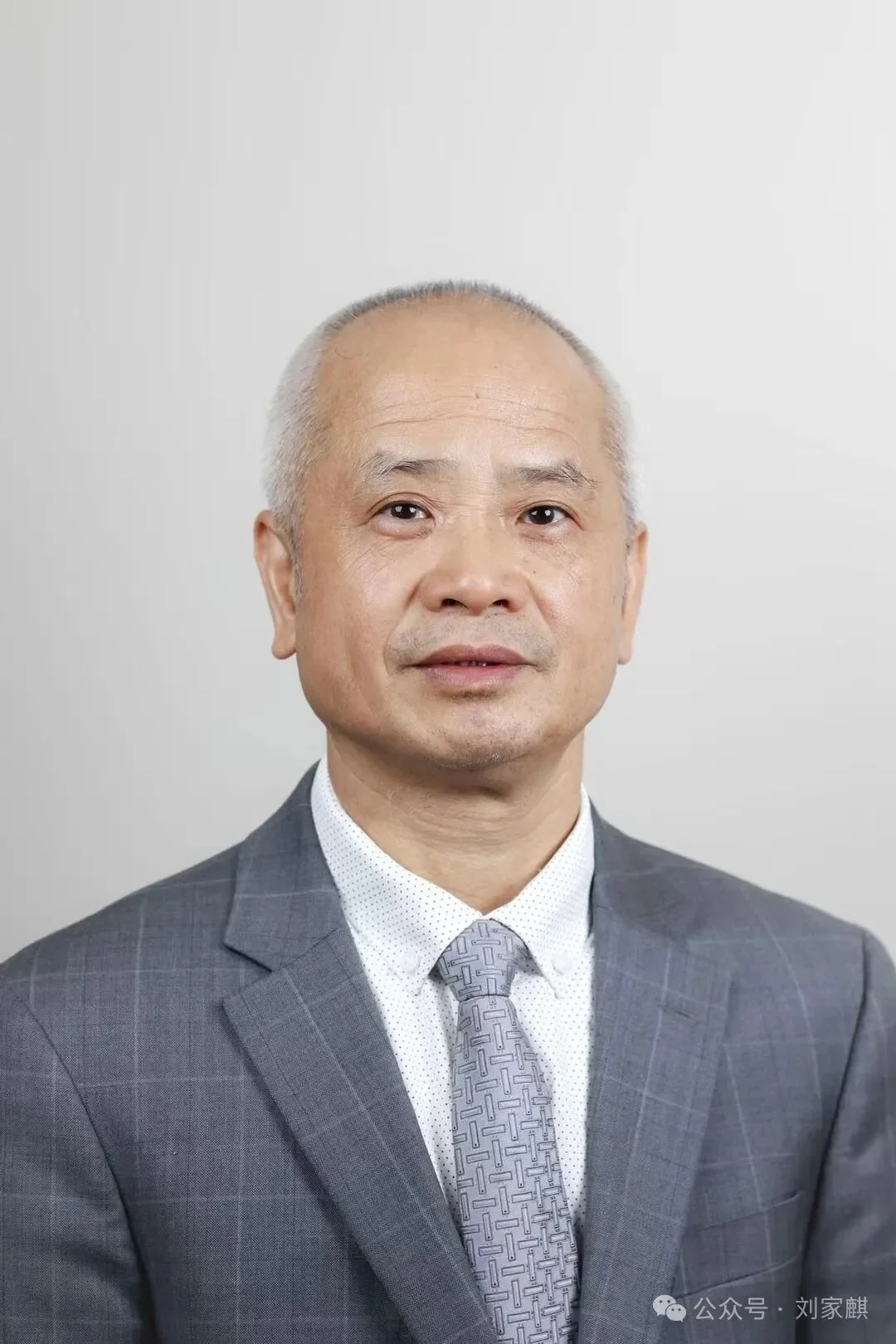
May we all reach this state of purity. Unshackled by worldly judgment, unburdened by meaningless worries, may we live clearly, freely, and calmly. "Be indifferent to fame or gain; watch flowers bloom and fall by the courtyard. Stay unconcerned with presence or absence; follow clouds rolling across the sky." May we see the world with a pure heart, live life with a joyful heart, handle hardships with a gentle heart, and treat others with a grateful heart.
May we also live a peaceful, prosperous life. May our paths be smooth and free of obstacles, every step steady and every goal within reach. May we have food, clothing, and comfort, enjoying stability and fulfillment. May all our wishes come true, every effort rewarded, and every perseverance bear fruit.
The sound of Zen has echoed for a thousand years; the master’s wisdom is passed down through generations. Huineng’s spirit is an eternal lamp, guiding humanity forward. Dr. Wu’s work builds a bridge between ancient wisdom and modern life, letting Zen shine brightly today. On this sacred anniversary, let us honor and give thanks, carry forward Zen teachings, stay true to our pure hearts, and practice in ordinary life, awakening in every moment.
May we all live with a Zen heart, treat others with kindness, stay free from suffering, and always be at peace. May the lineage of Huineng’s Zen live on forever, may Dr. Wu Mingjie’s mission thrive, and may everyone find freedom, fulfillment, and joy through the wisdom of Zen.
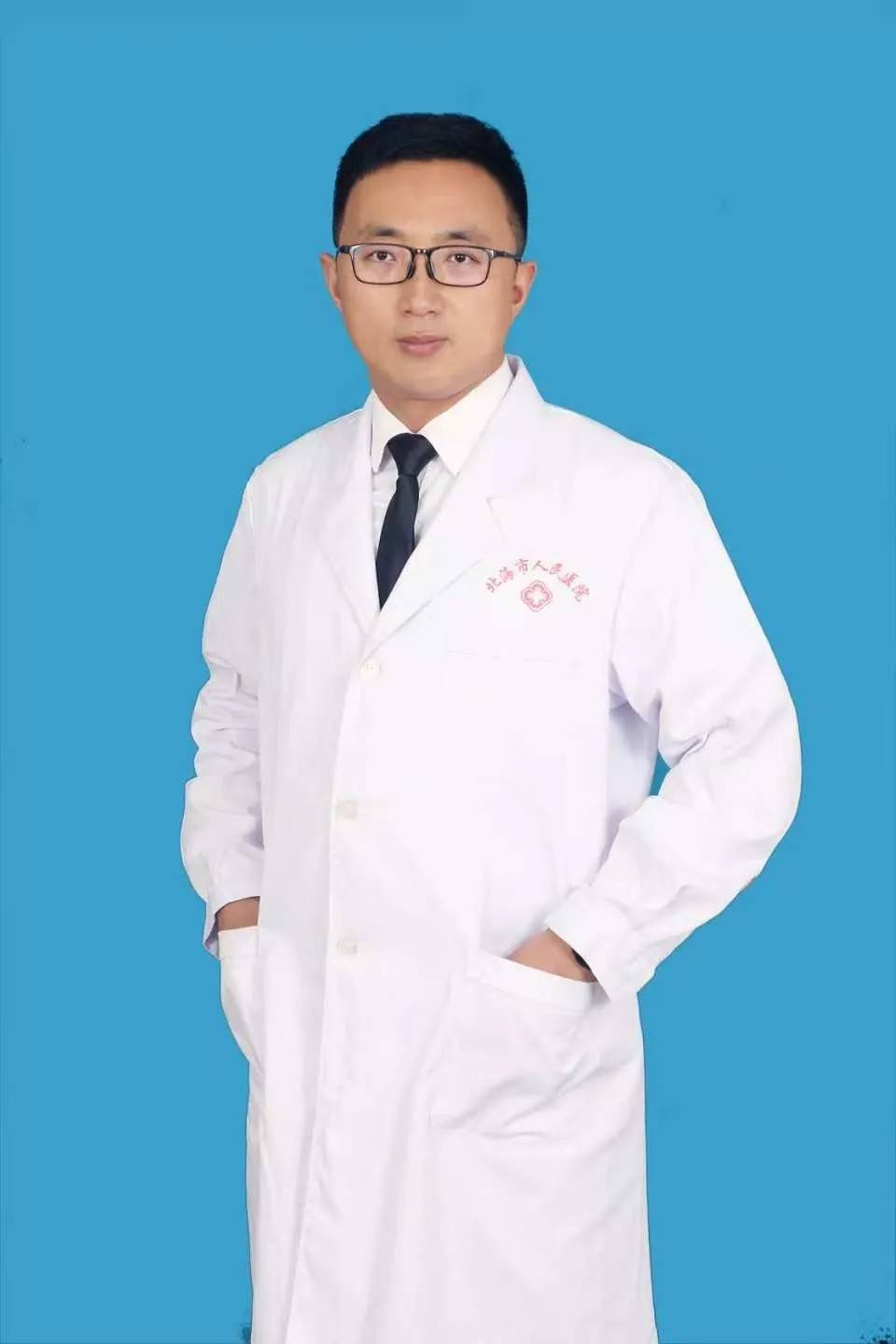
Author Introduction of This Article
Liu Jiaqi is a senior disciple of Dr. Wu Mingjie of Fengyang Taoist Traditional Chinese Medicine. He graduated with a master's degree in Surgery from Harbin Medical University. Currently, he serves as Chief Physician and Associate Professor of Gastrointestinal Surgery at Beihai People's Hospital, and is also a Lecturer at Guangxi Medical University. He has long been engaged in integrated traditional Chinese and Western medicine treatment for gastrointestinal and anorectal diseases, and is committed to inheriting and promoting Fengyang Traditional Chinese Medicine culture to bring health and happiness to more patients.
