Case Study: Supporting the Body During Long-Term Lung Cancer Treatment
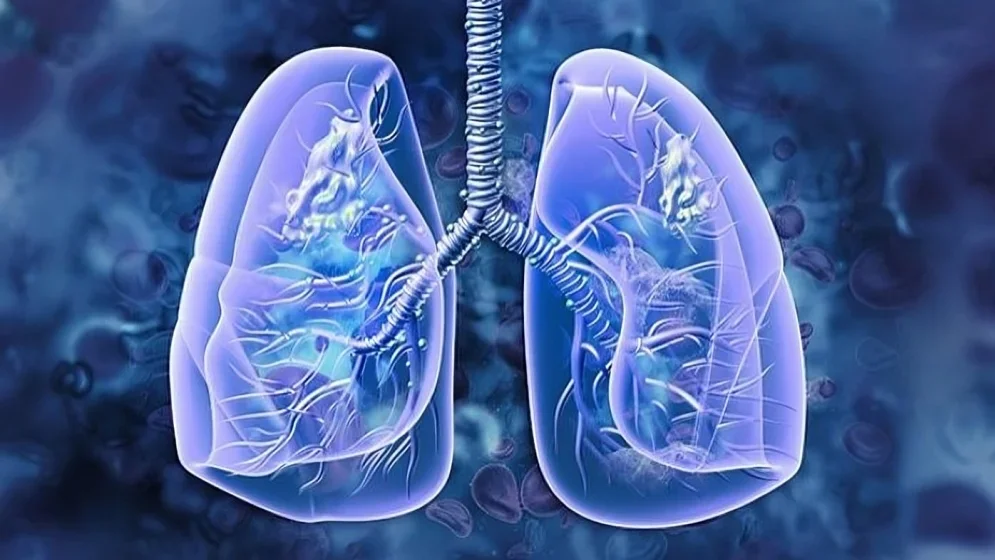
Many lung cancer patients rely on targeted therapies as their treatment protocol. For those with ALK-positive lung cancer, medications such as Alectinib and Lorlatinib can be effective in the short term but over time, these drugs often place a significant burden on the body’s internal systems.
This is a case from Dr. Wu’s clinic involving a 40-year-old woman on long-term targeted therapy whose quality of life was declining from these medications.
She presented with the following symptoms:
Her main concerns were not about tumor progression, but about daily functioning:
Severe, persistent constipation (her most distressing symptom)
Dryness (dry mouth, tendency toward irritation)
Fluid retention (non-pitting edema, worse later in the day)
Weight gain and metabolic changes
Yellow urine, a sign of internal heat and fluid imbalance
On examination:
Tongue: pale with white coating, prominent sublingual veins
Pulse: deep
How Dr. Wu Looked at the Pattern (TCM Perspective):
(1) Root Cause: Deficiency
Pale tongue → Qi and blood deficiency; weakness of spleen and kidney.
Prolonged illness and targeted drugs damage the vital energy (zheng qi).
(2) Manifesting in Excess
Sublingual varicosities → Blood stasis and poor qi circulation.
Yellow urine and dry mouth → Drug-induced heat toxicity and yin fluid depletion.
Constipation → Qi stagnation, yin deficiency, and medication side effects.
Edema (non-pitting, better in the morning) → Spleen qi deficiency with water-damp retention and sodium-water retention from the drug.
Comprehensive Syndrome Pattern:
Qi and yin deficiency with phlegm and blood stasis intertwined, and internal retention of dampness.
Drug-induced heat and toxin damage yin fluids, causing dry mouth, yellow urine, and mouth ulcers.
Constipation mainly due to qi stagnation and depletion of yin fluids.
Dr. Wu’s Treatment Principles:
Tonify qi and nourish yin — to strengthen vital energy and reduce drug toxicity.
Moisten intestines to relieve constipation — to alleviate suffering.
Clear heat and detoxify — to prevent recurrence of oral ulcers.
Invigorate blood and promote urination — to improve circulation and relieve edema.
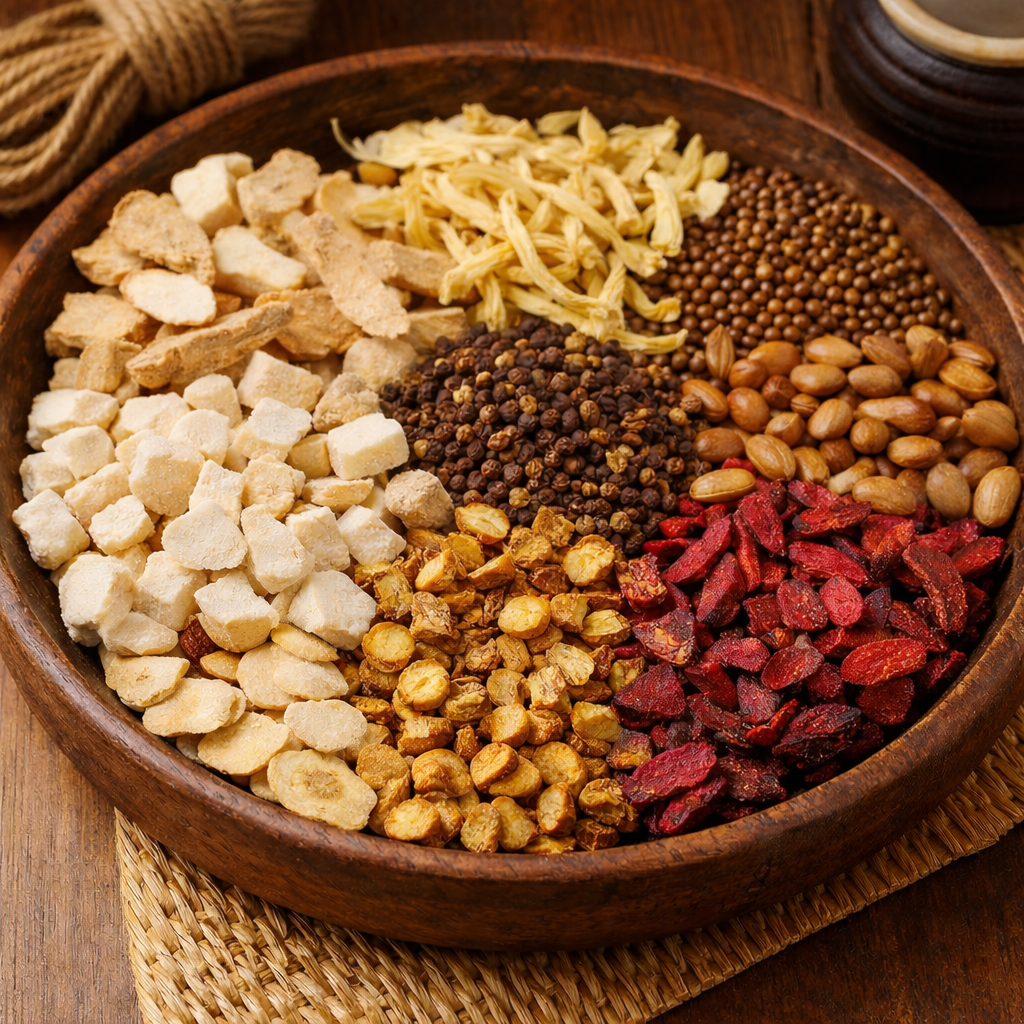
Dr. Wu’s Herbal Prescription for the Patient
Therapeutic principle: Warm yang and strengthen the spleen, tonify qi and nourish yin, invigorate blood, and relieve constipation.
Sheng Huangqi (Radix Astragali) 30 g – Tonifies qi and promotes urination
Taizishen (Radix Pseudostellariae) 15 g – Tonifies qi and nourishes yin
Shihu (Dendrobium) 10 g – Nourishes yin and moistens dryness
Huomaren (Cannabis seed) 15 g – Moistens intestines and relieves constipation
Yuliren (Prunus seed) 10 g – Moistens intestines and moves qi downward
Danshen (Salvia miltiorrhiza) 15 g – Activates blood and removes stasis
Chishao (Red Peony root) 10 g – Cools blood and disperses stasis
Zexie (Alisma) 12 g – Promotes urination and drains dampness
Fuling (Poria) 15 g – Strengthens spleen and leaches dampness
Zhi Gancao (Honey-fried Licorice) 6 g – Harmonizes the formula
For constipation, add:
Gualouren (Trichosanthes seed) 15 g, Xuanshen (Scrophularia) 12 g, Zhuling (Polyporus) 12 g, Baizhu (Atractylodes macrocephala) 20 g, Dahuang (Rhubarb) 10 g, Zhishi (Fructus Aurantii Immaturus) 6 g, and black & white Aconite (each 10 g, decoct first for 30 minutes).
Administration
Decoct in water, one dose per day, for five days.
Lifestyle and Self-Care
Diet:
Low-fat, high-protein diet. Avoid dairy products, greasy, rich, spicy, and hot foods.
Drink warm water frequently in small amounts.
Eat fiber-rich foods such as oats, celery, apples, and pumpkin.
Daily Care:
Engage in gentle exercise (walking, light Tai Chi) to promote qi flow.
Maintain emotional balance and avoid excessive anxiety.
Summary
This case presents deficiency of both yin and yang, with phlegm and blood stasis, and retention of dampness. The treatment focuses on tonifying qi and nourishing yin, moistening intestines, invigorating blood, and promoting urination, while clearing heat and detoxifying as a supportive measure. The priority is to relieve constipation and improve quality of life, thereby reducing side effects from the targeted therapy.
In other words, Dr. Wu’s treatment strategy is based on pattern differentiation and systemic regulation rather than symptomatic suppression. By simultaneously supporting spleen and kidney function, protecting yin and body fluids, and restoring normal circulation and fluid metabolism, treatment aims to stabilize the patient’s internal environment under the ongoing stress of targeted therapy. This approach helps preserve physiological resilience, improve treatment tolerance, and maintain functional stability over the course of long-term medical management.
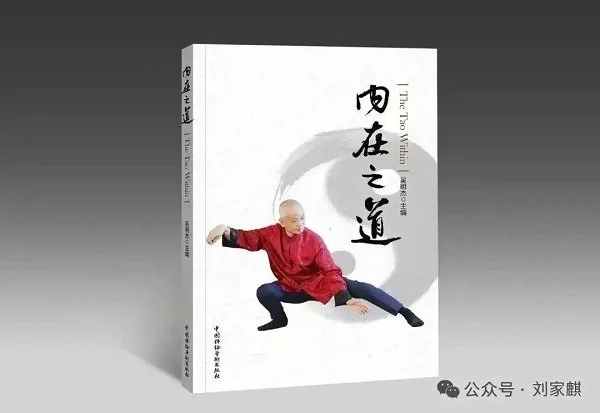
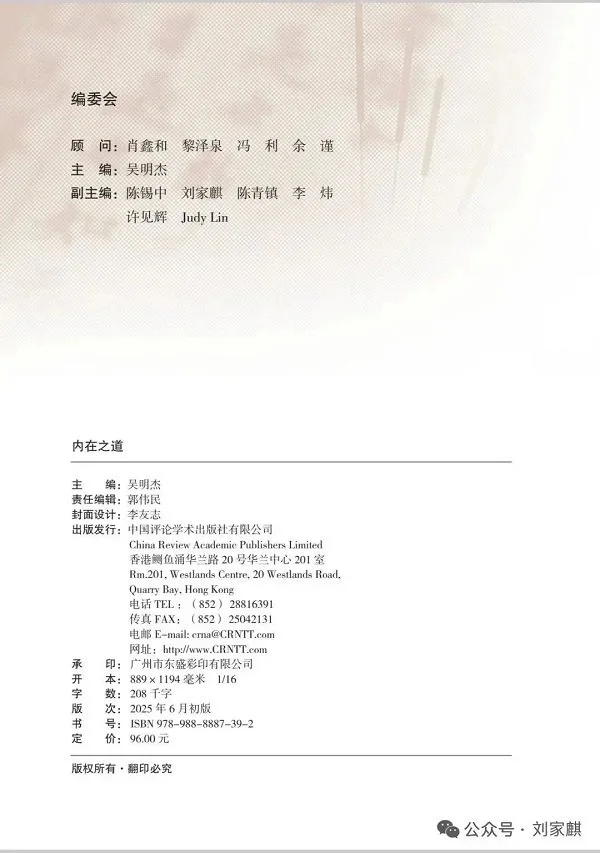
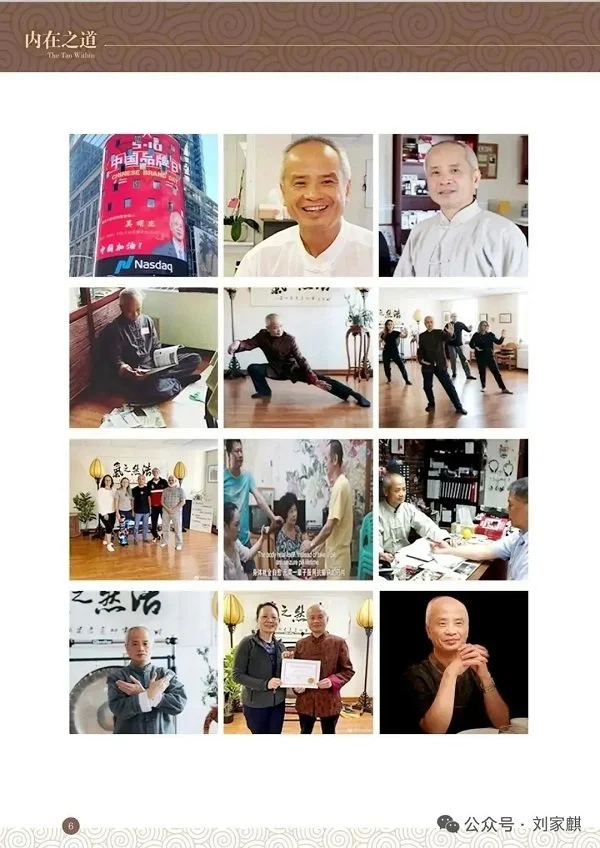
The Tao Within Book Overview
In "The Tao Within," the book embarks on a transformative journey of self-discovery, wisdom, and inner harmony. It shows how spirituality becomes a core element in our everyday lives and in maintaining our health. In the chaos of our modern world, we often find ourselves searching for meaning, purpose, and a deeper connection to our true selves.
In this profound and insightful exploration, Authors, Ming Wu, Ph.D., and Judy Lin, guide us on a spiritual and medical path toward self-empowerment and unveiling the timeless wisdom of the Tao. As we witness more limitations on western medicine, this book is presenting.
To order The Tao Within, click below link order from amazon: a.co/d/6ryPrIz